

Why Iranian saffron procurement is high-risk (and how buyers can reduce it)
Iranian saffron is widely traded in global food, beverage, nutraceutical, and fragrance supply chains—but it is also one of the easiest high-value ingredients to misrepresent. For B2B buyers, the commercial risks are rarely about “finding saffron”; they are about verifying grade consistency, detecting adulteration, aligning documentation, and avoiding price and supply shocks across seasons.
Most procurement failures follow a familiar pattern: a sample looks good, the first shipment passes basic checks, and then later lots drift in color strength, aroma profile, moisture, or foreign matter. Another pattern is paperwork that doesn’t match the physical goods—COA values that don’t align with the lot number, or missing traceability that becomes a problem at customs or in downstream audits. Add price volatility (crop year swings, FX, logistics) and you get a category where “cheap” can become expensive fast.
This guide is designed for English-speaking B2B buyers who want a practical approach to Iranian saffron purchasing: what trade forms exist, what grading terms actually imply, which standards matter, and how to run realistic quality tests and acceptance procedures. The objective is not to sell—it’s to help procurement and QA teams specify saffron clearly, compare quotes fairly, and reduce fraud and inconsistency risk when working with Iranian saffron suppliers.
Commercial types and forms in B2B trade: threads, cuts, powder, and packaging
Threads vs powder (and why the risk profile is different)
In B2B trade, Iranian saffron is most commonly sold as threads (whole stigmas) or powder. Threads offer better visual verification and typically lower adulteration risk than powder, simply because buyers can inspect the physical structure. Powder can be legitimate and convenient for industrial dosing, but it is inherently easier to dilute, color, or blend—so it requires stricter incoming QC and supplier controls.
- Threads: Preferred for premium culinary, retail repack, and buyers who want stronger authenticity controls.
- Powder: Useful for beverage bases, confectionery, prepared foods, and standardized formulations—best when backed by repeatable lab results and robust sampling.
Common Iranian trade cuts buyers encounter
Iranian saffron threads are often described by “cut” terms that reflect how much of the red stigma vs yellow style is present. These terms are not universal standards, but they are widely used in trade:
- Negin: Often used for long, thicker-looking red stigmas with strong appearance; typically positioned as a higher visual grade.
- Sargol (All-Red): Generally refers to mostly red stigmas with minimal yellow; commonly used for high color strength applications.
- Pushal: Usually includes some yellow style attached; can be acceptable for many industrial uses, but color strength may differ lot-to-lot unless specified.
- Bunch/Dasteh: Traditionally bundled strands that can include more yellow portions; less common in modern export contracts.
Because naming conventions vary by exporter and market, buyers should treat these terms as starting descriptors and always anchor the deal on measurable specs (e.g., ISO 3632 category, moisture, foreign matter limits) rather than relying on the cut name alone.
Export packaging formats: what is typical and what to specify
Packaging affects shelf life, contamination risk, and shipment integrity. Typical B2B export formats include:
- Bulk threads: sealed tins, PET jars, or laminated pouches inside cartons.
- Powder: sealed pouches or jars with tamper evidence; sometimes nitrogen flushing is used for aroma preservation.
- Industrial packs: multiple small inner packs inside a master carton to support batch control and reduce exposure during use.
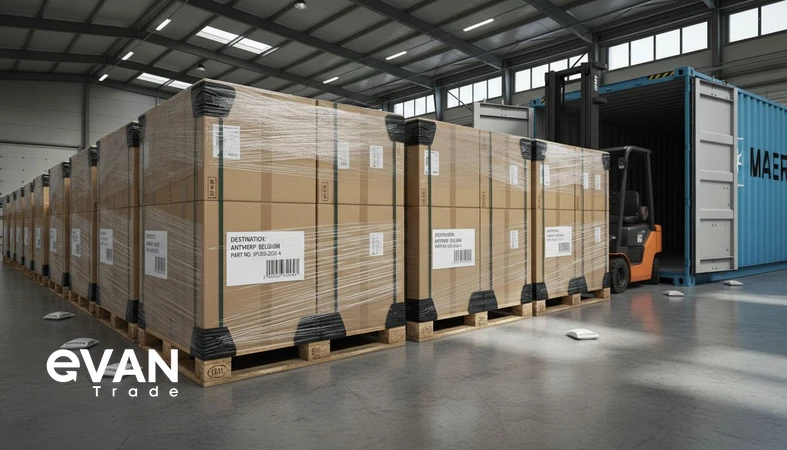
For procurement, specify: packaging material (food-grade), net weight tolerance, inner/outer labeling requirements, tamper evidence, and storage instructions. If your compliance team audits packaging, align it upfront with your saffron export documentation set to avoid relabeling at destination.
Iranian saffron grading concepts: translating trade terms into buyer-relevant specs
What “grade” should mean in a B2B contract
Many buyers encounter grade language that is partly cultural (market slang) and partly technical. The safest approach is to define grade through measurable attributes and tie them to a recognized framework (most commonly ISO 3632 for saffron quality categories).
In practical terms, a grade discussion should connect to:
- Coloring strength: primarily driven by crocin-related absorbance in lab testing (proxy for color intensity).
- Aroma profile: influenced by safranal-related measures and storage conditions; also evaluated sensorially.
- Flavor/bitter notes: linked to picrocrocin-related indicators; varies with drying and freshness.
- Purity: foreign matter, extraneous plant material, and signs of dyes or fillers.
- Moisture and volatile loss: affects weight, stability, and perceived “freshness.”
ISO 3632: useful, but not a full anti-fraud shield
ISO 3632 is widely referenced because it provides categories and analytical parameters. However, ISO alone does not guarantee authenticity if sampling is weak or if documentation is not traceable to the shipped lot. Treat ISO as a baseline language for comparing offers, then reinforce it with sampling rules, packaging controls, and anti-adulteration checks. In other words: use ISO to structure requirements, and use process to enforce them.
Aligning grade to use-case: don’t overbuy for the wrong application
B2B buyers sometimes overpay for a visually premium cut when the application is extraction or blending. Conversely, some under-spec and suffer rework in production. A robust approach is to map your use-case to the spec you actually need: color strength for food coloring, aroma for high-end culinary, and tight impurity limits for pharma/nutraceutical environments. This is where B2B saffron quality tests and a clear spec sheet create real savings.
Practical quality verification: sensory checks, moisture logic, COA reading, and sampling
Incoming sensory checks (fast, cheap, and still valuable)
Sensory evaluation is not a substitute for lab testing, but it is a high-signal screening step when performed consistently. Create an internal checklist and train evaluators to avoid subjective drift. Practical checks include:
- Appearance: uniform red stigmas (for all-red cuts), low presence of broken fragments, minimal yellow style if not expected.
- Aroma: clean, characteristic saffron aroma; watch for musty notes (moisture/storage issues) or chemical-like odors (possible contamination).
- Texture: threads should feel dry and not sticky; excessive pliability may signal high moisture.
Moisture control logic: why “heavier” can be worse
Moisture is a core driver of both fraud risk and shelf-life instability. Higher moisture increases weight (tempting for unethical sellers) and raises mold risk. For buyers, moisture is best handled with:
- Explicit moisture (or loss on drying) limits in the specification
- Sealed packaging requirements and storage instructions
- Lot-based testing and retention samples for dispute resolution
Also consider that very low moisture is not automatically “better”; overdrying can reduce volatile aroma compounds. The goal is a stable, agreed range and consistent handling.
Sampling approach: how to reduce the “good sample, bad shipment” problem
One of the most common failures is relying on a pre-shipment sample that does not represent the production lot. Reduce this risk by specifying sampling in your contract:
- Define the lot (by batch number, packing date, and total quantity).
- Multi-point sampling from different cartons/units (top, middle, bottom of the shipment).
- Composite sample for lab tests, plus separate retains for both parties.
- Seal and label samples with signatures and date to protect integrity.
COA interpretation: what to look for (and what to question)
A Certificate of Analysis (COA) is only meaningful if it is traceable and method-based. When reviewing a COA, buyers should check:
- Lot number match to packaging and shipment documents
- Test methods (e.g., ISO 3632 parameters, moisture method, microbiology standards)
- Lab identity and accreditation where relevant
- Date of test relative to packing date (stale COAs are a red flag)
- Result plausibility: values that look “too perfect” across multiple lots deserve scrutiny
Standards and documentation that matter in B2B procurement
Minimum documentation package (typical expectations)
Documentation needs vary by destination market and end-use, but a disciplined baseline set often includes:
- Commercial invoice, packing list, and certificate of origin (as applicable)
- COA tied to the shipped lot
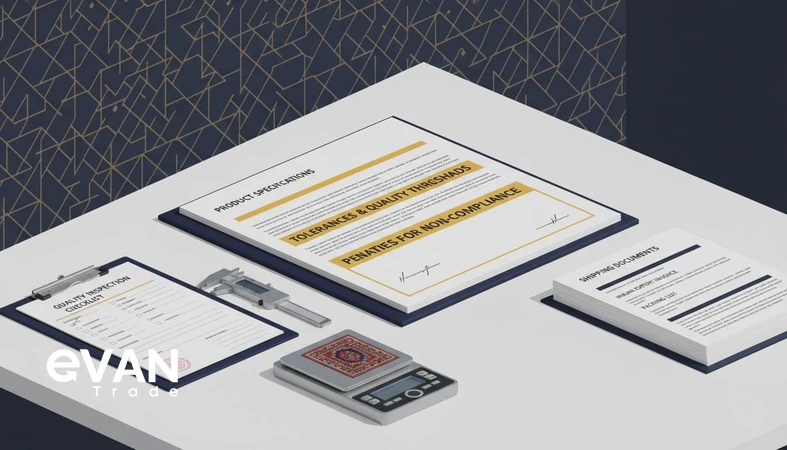
- Product specification sheet (agreed tolerances)
- Food safety and hygiene declarations, allergen statement (where needed)
- Phytosanitary or other regulatory documents depending on destination rules
When buyers compare offers, the strongest indicator of low operational risk is not the lowest price; it is the supplier’s ability to provide consistent, auditable paperwork that aligns with the goods and shipment timeline. This is especially important for companies building repeatable import SOPs and internal audit readiness.
How to compare offers using standards (not marketing language)
Instead of comparing “Negin vs Sargol” as labels, compare offers through a small set of shared questions:
- Which standard is the product tested against (e.g., ISO 3632 category reference)?
- What are the moisture and foreign matter limits?
- What is the sampling plan and re-test policy at destination?
- What packaging and labeling controls exist for lot integrity?
These questions convert qualitative claims into measurable procurement controls.
Fraud and adulteration: common methods (high-level) and buyer-side prevention
Common adulteration patterns buyers should be aware of
Because saffron is high-value, adulteration tends to focus on increasing weight, enhancing color artificially, or blending in look-alike plant materials. At a high level, buyers may encounter:
- Added moisture to increase weight
- Foreign plant matter mixed into threads
- Color enhancement using unauthorized dyes (more relevant risk for powder)
- Powder dilution with inert or cheap botanical powders
It is not appropriate to detail “how” these are done. The practical buyer goal is to build detection and deterrence into procurement.
Prevention toolkit: process beats “trust”
Effective prevention is largely procedural:
- Prefer threads when your application allows and when supplier risk is unknown.
- Use two-step verification: quick sensory + moisture screening, followed by periodic full lab panels.
- Control lot integrity: require sealed packaging, batch IDs, and tamper evidence.
- Independent testing: do destination-market testing on a defined frequency (e.g., every lot initially, then risk-based).
- Supplier qualification: audit documentation discipline, not just production claims.
How to specify Iranian saffron in a purchase order/contract (practical template elements)
Specification sheet: the clauses that reduce disputes
A strong PO for saffron is essentially a short technical contract. Consider including:
- Product form: threads or powder; cut/trade name if used (as secondary descriptor).
- Referenced standard: ISO 3632 category reference and parameters to be reported.
- Moisture/Loss on drying: target range and max limit.
- Foreign matter: maximum allowance and definition (what counts as foreign).
- Microbiological limits: if your end-use requires it.
- Packaging: inner/outer materials, net weight, sealing/tamper evidence, labeling content.
- Shelf life and storage: required remaining shelf life at delivery, storage temperature/light protection.
Sampling, acceptance, and dispute handling
To avoid subjective arguments, define acceptance rules:
- Sampling method: number of units, composite method, retention samples.
- Acceptance testing: which tests are performed at origin vs destination.
- Nonconformance handling: re-test protocol, third-party arbitration lab, and time windows for claims.
- Lot consistency: rules for partial shipments and mixing lots (usually avoid mixing).
These clauses transform quality from a “discussion” into an auditable process.
Pricing reality in B2B: what drives saffron quotes and how to compare fairly
Key drivers behind price differences
Two quotes for “Iranian Negin” can differ substantially without one being fraudulent. Common price drivers include:
- Crop year and availability: weather and harvest outcomes influence supply.
- Region and processing practices: drying and handling affect strength and stability.
- Quality parameters: higher analytical values and tighter impurity limits cost more.
- Moisture level: unethical moisture inflation can create artificially low price-per-performance.
- Testing scope: broader lab panels and reputable labs add cost but reduce risk.
- Packaging format: retail-ready or high-barrier packs can materially change cost.
- Incoterms and logistics: freight, insurance, export handling, and destination clearance responsibilities.
How to compare quotes on an “apples-to-apples” basis
Build a simple normalization sheet for procurement:
- Convert all prices to the same Incoterm and currency basis.
- Compare analytical specs side-by-side (not just grade names).
- Adjust for packaging weight, number of inner units, and net-to-gross efficiency.
- Factor in testing, documentation, and expected rejection risk.
Often, the best value is the offer with the most predictable performance and lowest hidden failure cost—not the lowest unit price.
Comparison table: grades, verification focus, and best-fit buyer scenarios
| Buyer need / scenario | Preferred form | Common trade cut (indicative) | Key specs to prioritize | Recommended verification | Typical risk to manage |
|---|---|---|---|---|---|
| Retail repack / premium culinary | Threads | Negin or Sargol (verify by specs) | High coloring strength; low foreign matter; stable moisture; strong aroma | Sensory + moisture check every lot; ISO 3632 panel periodically; lot integrity controls | Visual inconsistency across lots; mixing lots; packaging tamper risk |
| Industrial food manufacturing (blends, sauces) | Threads or powder (risk-based) | Sargol / Pushal depending on target | Consistent performance; defined moisture; microbiology limits if needed | Incoming QC with defined sampling; COA verification; periodic third-party testing | Batch-to-batch drift; powder dilution if powder used |
| Beverage bases / extracts | Powder or threads for extraction | Cut name less relevant; require ISO-based parameters | Color/aroma consistency; low contaminants; process suitability | Stronger lab focus (ISO parameters + contamination screening); retain samples | Color enhancement risk; volatile loss due to poor packaging |
| Nutraceutical / high-compliance supply chains | Threads preferred; powder with strict controls | All-red cuts often preferred (verify) | Traceability; strict impurity limits; microbiology; documentation completeness | Qualified supplier program; independent lab per lot initially; documentation audit | Documentation gaps; nonconforming lots; regulatory holds |
FAQ: procurement objections and practical answers for B2B buyers
1) Should we buy threads or powder for Iranian saffron?
If your process allows, threads are generally easier to authenticate visually and tend to reduce adulteration exposure. Powder can be a valid industrial choice when you need fast dosing and uniform blending, but it requires tighter controls: stronger sampling, routine third-party testing, and strict lot traceability. Many buyers start with threads during supplier qualification and introduce powder later once consistency is proven.
2) Are trade terms like “Negin” and “Sargol” standardized globally?
Not fully. These terms are common in the market, but definitions can vary by exporter and destination. Use them as descriptive labels, not as the contractual basis of quality. Anchor your purchase on measurable specs (ISO 3632-related parameters, moisture limits, foreign matter limits) and require the COA to match the shipment lot number and packing date.
3) What are the most practical incoming QC checks we can do without a lab?
Start with structured sensory evaluation (appearance uniformity, clean aroma, non-sticky dry texture) and basic moisture logic (watch for unusual pliability or clumping in powder). These checks can flag problems early, but they cannot prove authenticity. For material risk reduction, pair them with periodic lab testing and strong sampling rules that prevent “selected samples” from representing the whole shipment.
4) How can we reduce the risk of adulteration without over-testing every shipment forever?
Use a phased risk model. In the first 3–5 lots, test more intensively (including authenticity-related screening and contamination panels depending on your market). Once supplier performance stabilizes, move to a risk-based cadence (e.g., full panel quarterly, spot checks each lot). Keep lot integrity tight (sealed packs, batch IDs, retention samples), because process control is often more effective than testing alone.
5) What should we require in a COA to make it procurement-ready?
A procurement-ready COA should clearly identify the lot/batch number, packing date, test date, methods used, and the lab identity. Results should be realistic and consistent with the product form. If values are identical across multiple lots or the COA predates production by a long period, treat it as a red flag. Always reconcile COA details with shipping documents.
6) Which documentation gaps most often cause customs or audit issues?
Common problems include mismatched lot numbers between invoice/packing list/COA, unclear country of origin statements, missing or vague product descriptions, and inconsistent net weights or packaging counts. For regulated buyers, missing allergen statements or hygiene declarations can also trigger internal holds. A disciplined document set, reviewed before shipment, reduces delays and downstream audit friction.
7) Why do two suppliers with “the same grade” show very different prices?
Price can reflect real differences in analytical performance, moisture control, foreign matter limits, packaging quality, and the scope of testing and documentation. It can also reflect Incoterms, freight conditions, and timing relative to crop availability. Compare quotes by normalizing Incoterms/currency and aligning specs side-by-side. A lower price can hide higher rejection risk or weaker lot consistency.
8) What should we put in the contract to prevent “quality drift” across future shipments?
Define measurable specs and tolerances, enforce lot definitions, require consistent packaging/labeling, and include a clear sampling and acceptance procedure. Add a re-test and dispute mechanism (including a neutral third-party lab option) and prohibit lot mixing unless pre-approved. Quality drift is often a governance problem; contracts and SOPs create the control layer that keeps shipments consistent over time.
Conclusion: a disciplined, testable way to buy Iranian saffron
For B2B buyers, Iranian saffron is best approached as a controlled procurement category: define the commercial form, translate grade terms into measurable specs, build a sampling plan that represents the lot, and treat documentation as part of the product—not a separate afterthought. The highest-risk failures (fraud, adulteration, inconsistent performance, and customs delays) are reduced significantly when buyers anchor decisions on ISO-aligned parameters, moisture discipline, sealed packaging, traceability, and repeatable acceptance rules.
Teams that want fewer surprises typically combine practical incoming checks with periodic third-party testing, then lock the process into clear PO language and dispute handling. For organizations building reliable supply lines, a partner with strong documentation discipline and a repeatable quality approach can make procurement easier. If you are structuring a saffron sourcing program and want transparency-first guidance, EvanTrade shares resources and market context at Evan Trade.